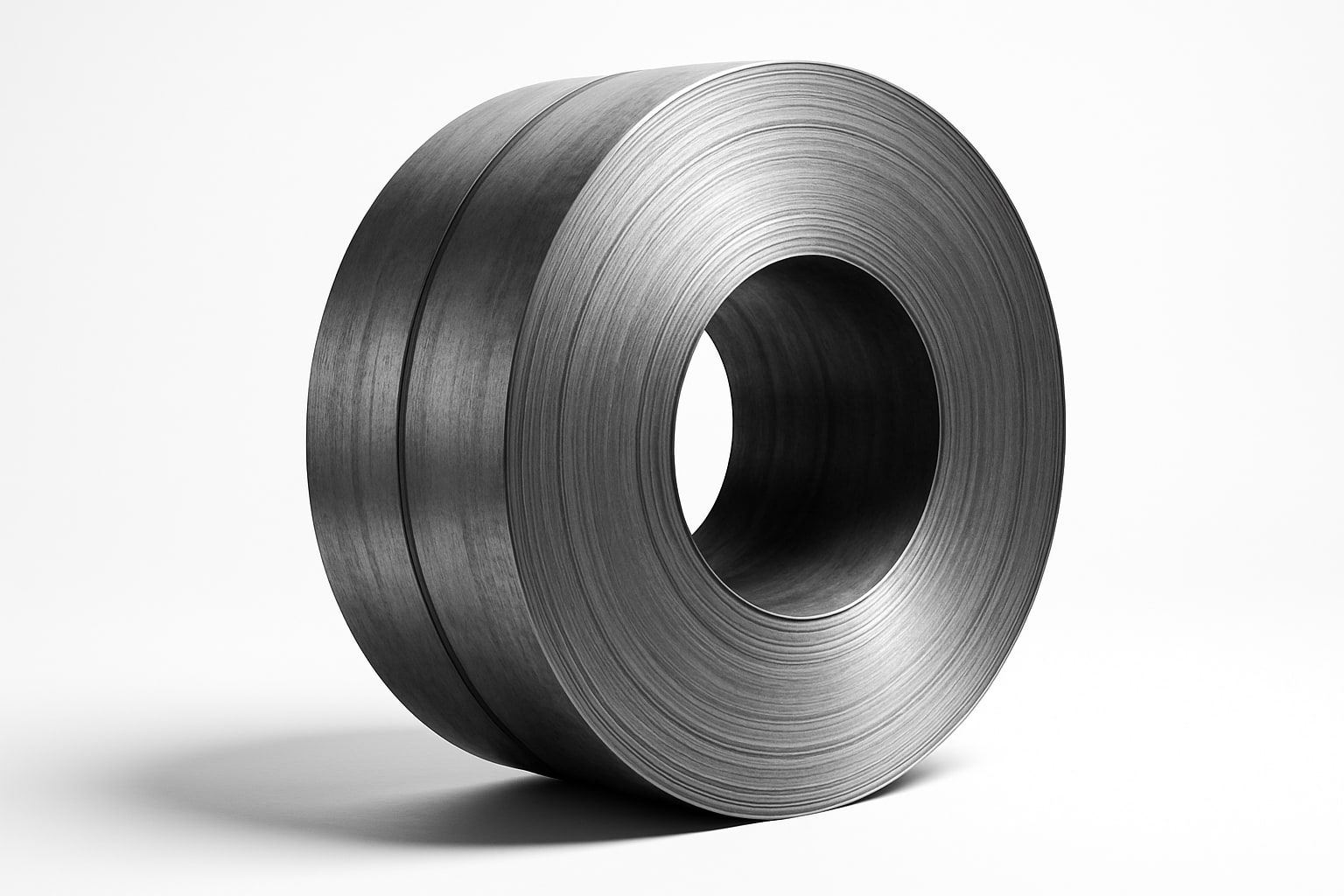
From Damascus steel to modern HRC — the 2,000-year manufacturing arc
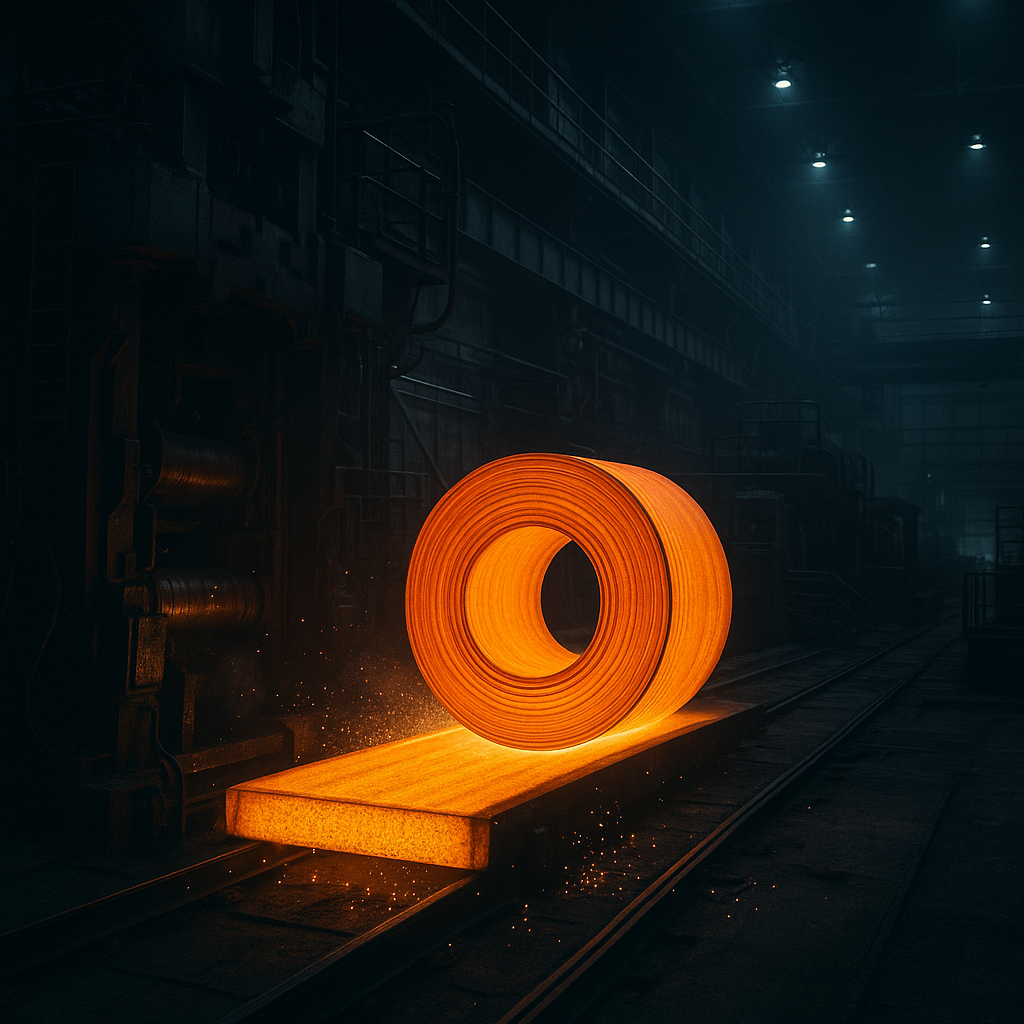
Damascus steel — the legendary crucible-forged blades of the 3rd century BCE — hid a metallurgical secret that took us 2,000 years to reproduce with any consistency. The story of getting from there to a modern hot-rolled coil is really the story of learning to control one element: carbon.
The wootz mystery
Wootz ingots from Sri Lanka and southern India were the ancestor of Damascus. Ancient smiths poured them into clay crucibles with wood, sealed the crucible, and heated until the iron melted. The result was a steel with 1.5–2% carbon — enough to form the microscopic cementite banding that gave the sword its watermark pattern and its edge. Reproducing that under modern conditions took electron microscopy, carbon nanotubes, and a lot of failed swords.
Bessemer's blast, 1856
Everything changed when Henry Bessemer figured out that blowing air through molten pig iron would burn off carbon fast enough to make steel in minutes, not weeks. Steel went from craft object to commodity in one generation.
Continuous casting to strip mill
The 20th century added continuous casters, basic-oxygen furnaces, tandem cold mills, and finally hot-strip mills that produce a 12-metre coil of 1.2 mm HRC in a single pass. What Damascus smiths did in a lifetime, a modern mill now does in eleven seconds.
The metallurgy hasn't changed. The control of it has.
Why history matters to buyers
Every mill test certificate you sign is a paper trail all the way back to that Sri Lankan crucible — carbon content, tensile strength, hardness. When you specify 0.045% C max for deep-drawing quality, you're using the same lever Bessemer pulled in 1856. The scale changed. The physics didn't.