Green steel meets Simandou — the iron-ore realignment of the decade
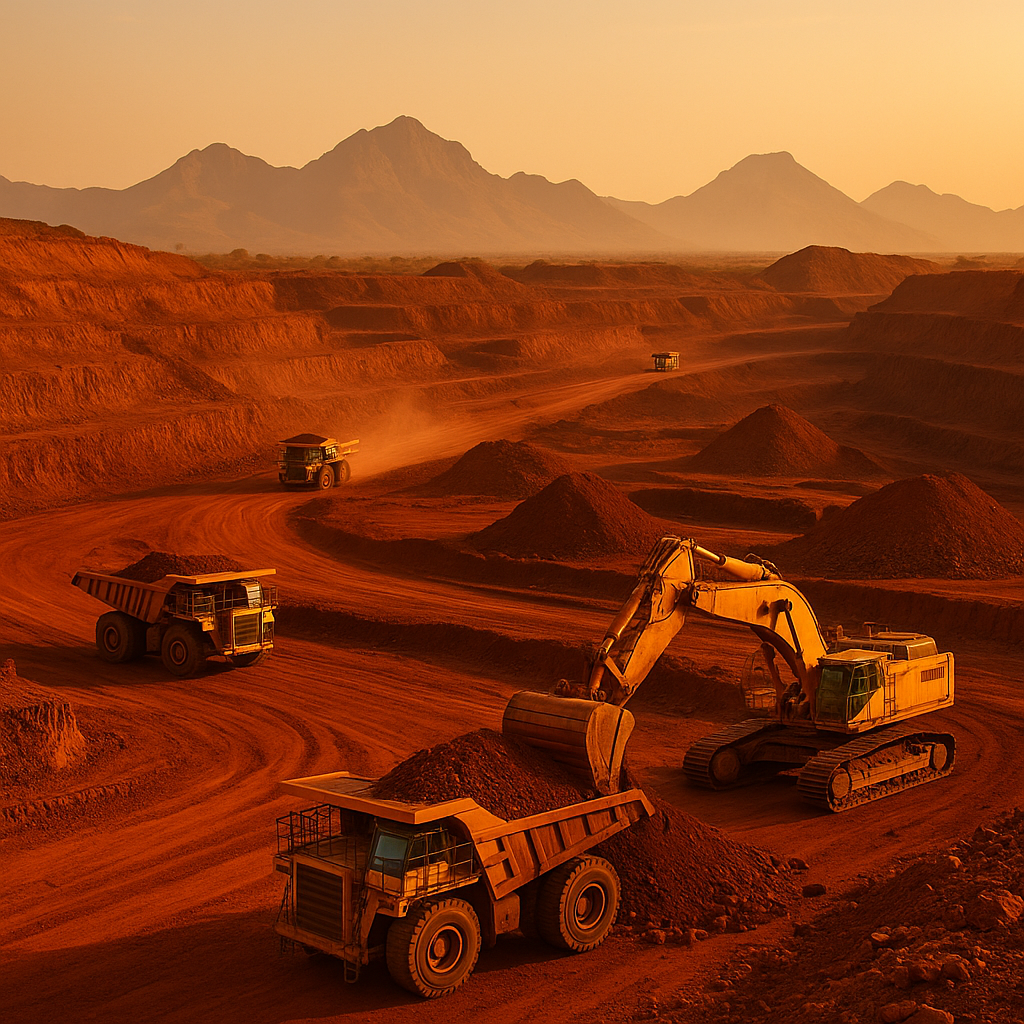
Two things are happening in iron ore that will reshape steel economics for the next 15 years. The first is Simandou, the largest untapped high-grade iron-ore deposit in the world, coming online in Guinea in 2026–27. The second is the arrival of hydrogen direct-reduced iron (H₂-DRI) at commercial scale.
Simandou basics
The Simandou range in south-eastern Guinea holds an estimated 2.4 billion tonnes of iron ore at 65–66% Fe — significantly higher grade than Australian Pilbara ores (58–62% Fe). First shipments are targeted for mid-2027, ramping to 120 million tonnes per year by 2028. That's ~7% of global seaborne supply.
Why grade suddenly matters
H₂-DRI production requires higher-grade feed than blast furnaces — 66%+ Fe is the practical floor. Rio Tinto, Fortescue, and Vale have been quietly repositioning towards higher-grade concentrates over the last five years. Simandou didn't cause this shift — it accelerated it.
The premium spread
- 62% Fe Platts index: ~$100/MT (2026 avg)
- 65% Fe Simandou spot: ~$120–130/MT
- Premium: $20–30/MT and widening as green-steel demand builds
What it means for downstream steel
Higher-grade ore reduces coke consumption by ~7% per additional percentage of Fe in the burden. On 100 million tonnes of steel production, that's a $2B/year fuel saving — before you count carbon-price incentives.
The India view
Indian ore reserves (~5.2 billion tonnes) skew toward lower-grade hematite (58–62% Fe). Domestic mills that don't upgrade beneficiation capacity will struggle to compete on carbon-adjusted cost by 2030. NMDC's push into pelletisation is the right hedge — but the runway is short.