India's steel century — from Jamshedpur 1907 to world's second largest
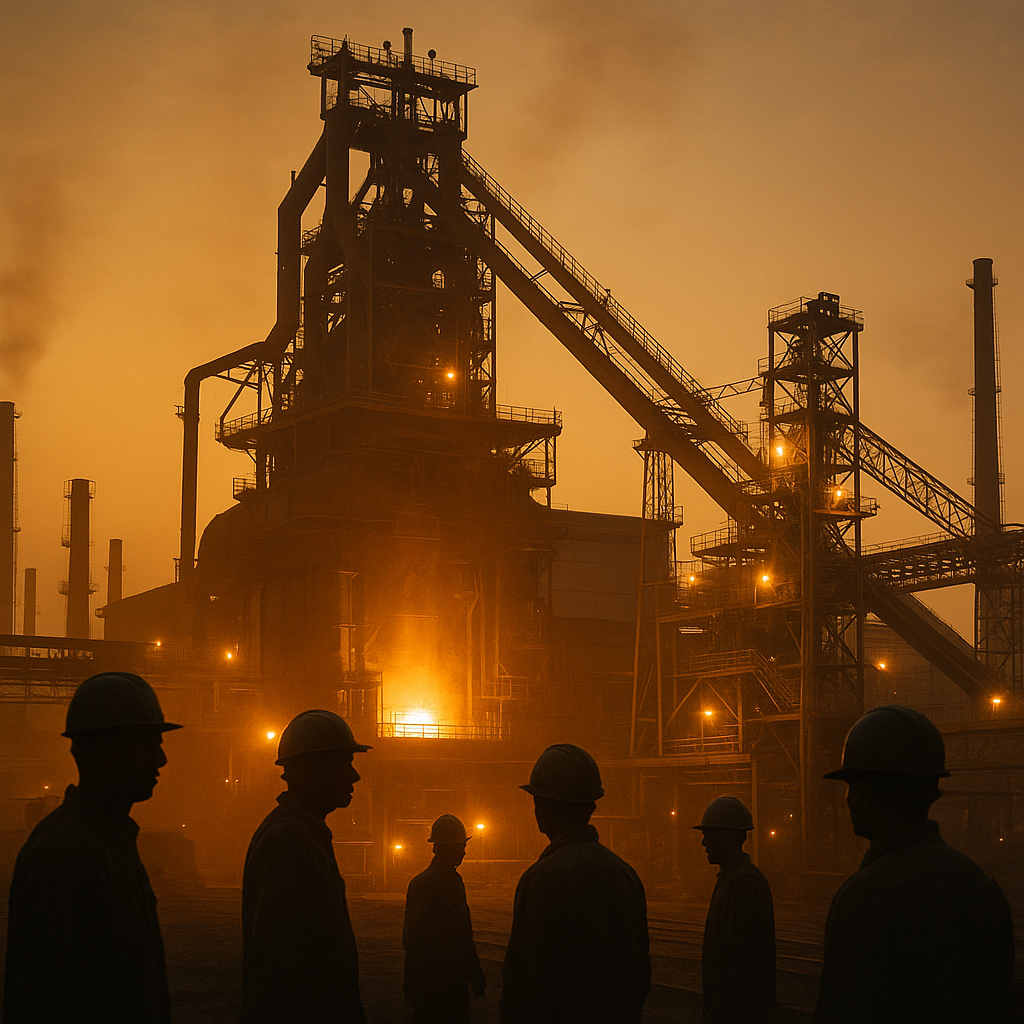
In 1907 Jamsetji Tata poured India's first commercial steel at Sakchi, a village he'd rename Jamshedpur. In 2024 India overtook Japan to become the world's second-largest crude-steel producer. The arc between those two dates is one of the great industrial stories of the 20th century.
The Kulti footnote
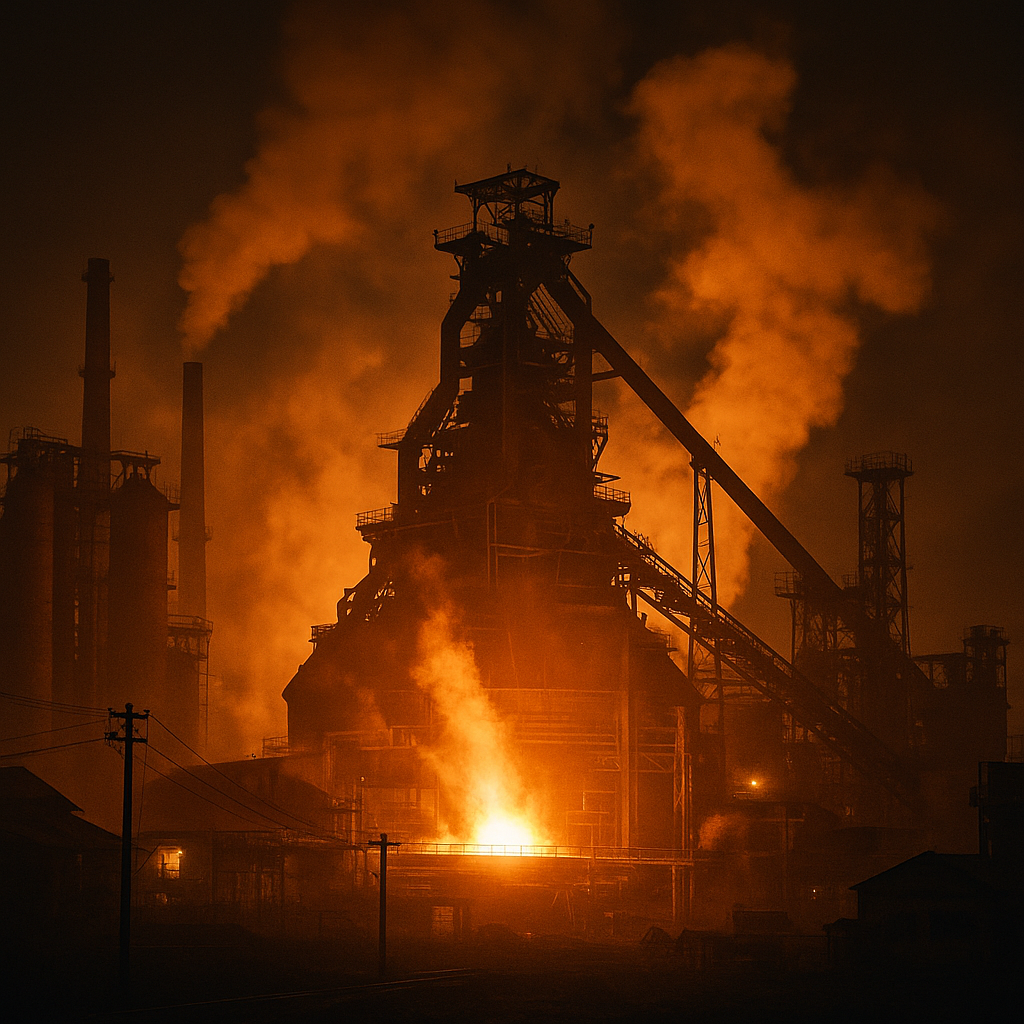
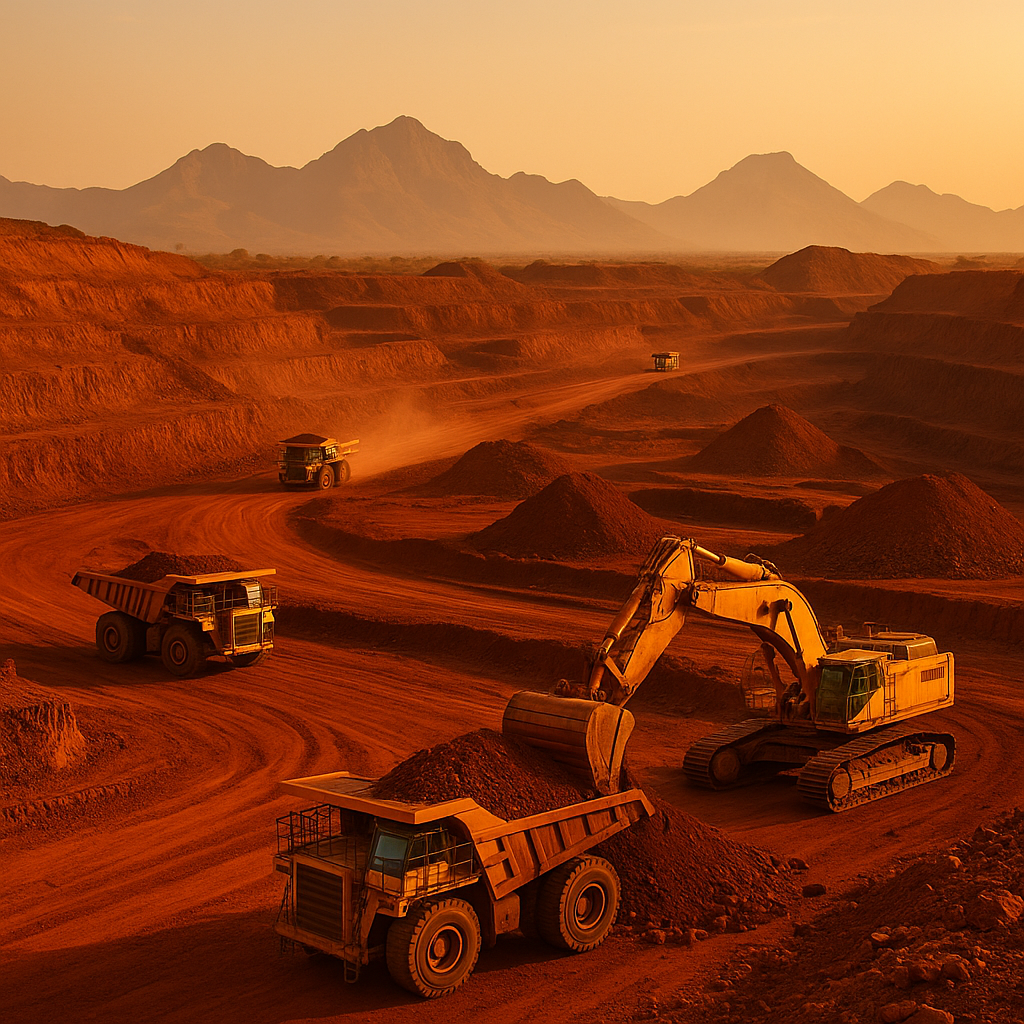
The Bengal Iron Works at Kulti had actually poured pig iron for the British Raj since 1874 — but it made pig iron and rails, not commercial steel. Tata was the first to build an integrated modern works: iron ore mined at Noamundi, coal from Jharia, all rail-connected to a mill designed by American engineers, all owned by Indians. It began production in February 1912.
Post-independence, the public-sector wave
Nehru's Second Five-Year Plan built four public integrated works in four years — Bhilai (Soviet aid), Rourkela (German aid), Durgapur (British), and later Bokaro. India went from producing 1 million tonnes in 1950 to 14 million by 1980. Growth was slow but steady; the licence Raj kept it slow.
The 1991 reset
Liberalisation reset the ambition. Essar, Ispat, JSW and later JSPL entered flat and long products through the 1990s. Jindal's HR mill at Vijayanagar (2004) was the first Indian mill to challenge global HRC quality benchmarks. By 2010 India was producing 70 million tonnes.
Where we are now
- 2024: 149 million tonnes crude steel — second in the world after China
- Ministry of Steel target: 300 MT by 2030
- ~60% of demand is domestic infrastructure and construction — TMT bars, structural steel
What's changed in 117 years? Almost everything except the ore body — the Noamundi and Kalinganagar seams that fed Tata's first blast furnace are still the substrate of a $150 billion industry.